Quick answer
Imported goods generally aren't released until the GST and any customs duty are paid, and storage costs build every day they sit. Ask your customs broker for the full release amount — duty, GST, charges, freight and storage to date — and fund that total once. Registered importers may be eligible for the deferred GST scheme, which moves import GST to the next activity statement.
Key points
- GST on imported goods is generally payable before the goods are released.
- Storage and demurrage keep adding up while goods wait — the deadline is daily.
- Get one full release figure from your customs broker before you arrange funding.
- The deferred GST scheme lets eligible GST-registered importers pay import GST with their next BAS.
- Deadline type
- Daily — storage keeps accruing
- Key document
- Broker's entry and charges
- Unsecured
- Typically $5k–$500k
- Secured
- $20k–$5m
Why can’t the goods just be delivered?
Because in most cases the border won’t let them go until the government charges are settled. The ATO explains that GST on taxable importations is generally payable before the goods are released, and that it’s paid at the same time, place and manner as customs duty. business.gov.au notes that most imports are subject to 10% GST and may attract customs duty depending on the type and value of the goods.
For goods valued at or below $1,000 (other than tobacco, alcohol and bulk orders), the low-value rules apply at the border. Above that, you’re into the formal import process, usually handled by a licensed customs broker.
Why is the deadline daily rather than fixed?
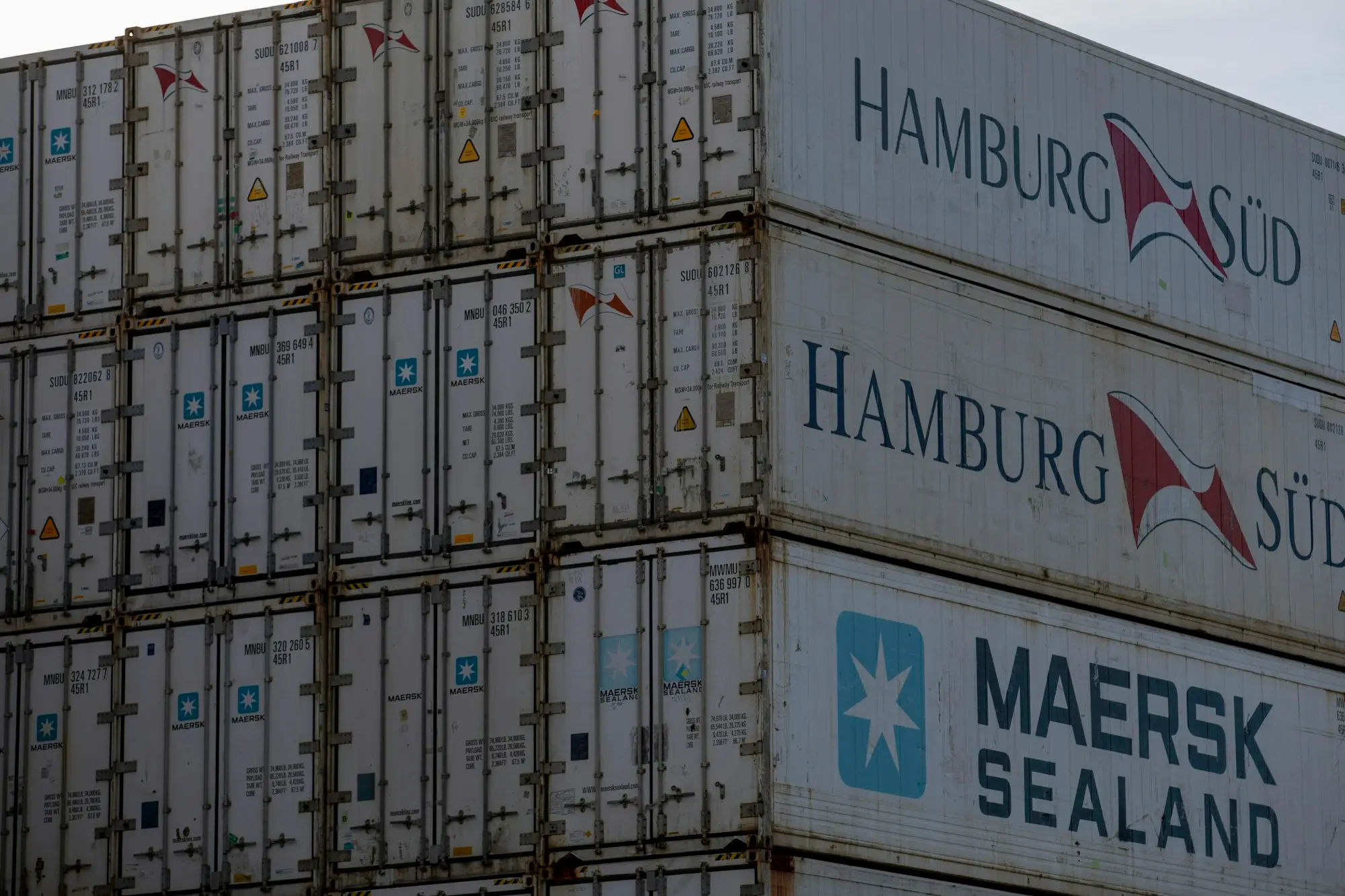
With most bills there’s one due date. With imports, the cost of waiting keeps growing. Once goods are at a terminal or depot, storage starts to accrue, and containers held too long can attract further charges from the shipping line. Meanwhile the stock isn’t earning anything, and customers may be waiting for it.
So the realistic question isn’t “when is it due?” but “how much does each extra day cost, and when do I need the goods on the shelf?”
What should the release figure include?
Ask your customs broker for one number that gets the goods moving. It typically brings together:
| Item | Who it’s paid to |
|---|---|
| Customs duty (if any) | Government, via the broker’s entry |
| Import GST | Government, unless deferred |
| Broker’s fees and disbursements | Customs broker |
| Terminal and port charges | Terminal or freight forwarder |
| Freight balance | Forwarder or shipping line |
| Storage to date (and per extra day) | Depot or terminal |
Get the per-day storage figure too. If funding lands two days after you expected, you’ll want to know what that changes.
Which funding suits import charges?
- Regular importer, trading history, moderate amount: unsecured cash-flow funding, typically $5,000 to $500,000, sized on turnover and bank statements. Same-day funding is possible for smaller unsecured amounts.
- Large shipment or several containers: a property-secured loan from $20,000 to $5,000,000; $20k to $250k is possible same day and up to $5m is possible within 24–48 hours.
- Every shipment creates a squeeze: a line of credit drawn at each release and repaid as the stock sells.
Funds can be paid directly to the broker if that helps release happen faster. To see which route suits your timing, use the triage checker — or go straight to the enquiry.
Could the deferred GST scheme help next time?
If you import regularly and you’re registered for GST, the deferred GST scheme is worth a conversation with your accountant. The ATO says it lets approved importers defer paying GST on taxable importations until the first activity statement lodged after the goods arrive. That doesn’t remove duty or the other charges, but it can take a large piece out of the amount needed at the port — and you’ll generally be claiming the GST back as a credit on the same activity statement if you’re entitled to it.
Criteria apply, so it’s a planning step rather than a fix for goods already waiting.
An illustrative example
Illustrative only. An online homewares retailer has two containers of stock arriving ahead of the spring sales. The supplier deposit and balance were paid months ago, but the broker’s release figure — duty, GST, fees, port charges and three days’ storage so far — comes to $58,000. The business turns over around $220,000 a month.
Without property on the table, unsecured funding sized on turnover is the realistic path. The owner sends the broker’s figure, six months of statements and a note that the stock is pre-sold at 40% through pre-orders. Funds go to the broker, the containers are released, and the facility is repaid as orders ship over the following weeks. For next season, the owner books a meeting with the accountant about the deferred GST scheme.
What should you ask your customs broker today?
A short call with your broker can save days. Ask for:
- The full release figure in writing, broken down by duty, GST, fees and charges.
- The storage cost per day and when any free storage period ends.
- Whether anything else could hold the goods, such as inspections or missing paperwork, so funding isn’t the only thing on the critical path.
- Who to pay, and how — so funds can go directly to the right account the moment they’re available.
Share that written figure with us and the funding can be sized once, without a second round when an extra charge appears.
How can you plan release costs for the next shipment?
Ask your broker for an estimate of duty, GST and charges when you place the order overseas, not when the ship docks. Add it to your cash plan in the week the goods are expected, with a buffer for delays and storage. For regular importers, a line of credit drawn at each release and repaid as stock sells can make every shipment routine.
Get the goods moving — see if you qualify
Stock at the port isn’t earning you anything, and the storage clock doesn’t care about your cash flow. Tell us the release figure, when you need the goods and how the business trades. There’s no credit check to ask, your enquiry stays with one team instead of being spread across lenders, and a real person looks at the shipment and calls you back. Please give us accurate numbers on the form — especially the full release amount — so the funding covers everything the first time.
Frequently asked questions
Do I have to pay GST before imported goods are released?
Generally, yes. The ATO says GST on taxable importations is generally payable before goods are released, at the same time and in the same way as customs duty — unless you participate in the deferred GST scheme.
What is the deferred GST scheme?
It lets approved importers who are registered for GST defer paying GST on taxable importations until the first activity statement lodged after the goods are imported. Eligibility criteria apply, so check with the ATO or your broker.
Is there a threshold for low-value imports?
Goods with a value at or below $1,000 (other than tobacco, alcohol and some bulk orders) can be non-taxable importations at the border. Above that, the full import process and charges apply.
Can I borrow to pay import charges?
Yes. Clearing imported stock is a business purpose. Unsecured cash-flow funding suits most release amounts for trading businesses, and property-secured loans suit larger shipments.
Why is my release amount higher than the duty and GST?
Broker fees, port and terminal charges, freight balances and storage all add up. Ask for a single figure that covers everything needed to get the goods on a truck.